
materials available in-language
Chinese Community Health Resource Center (CCHRC)
The Chinese Community Health Resource Center (CCHRC) is a non-profit community health center that provides a vast variety of linguistically and culturally sensitive to the Chinese community.
Clinical Trials – Cantonese Chinese m4a
[audio m4a="https://aanhpihealth.org/wp-content/uploads/2021/05/Clinical-Trials-Cantonese-Chinese.m4a"][/audio]
Clinical Trials Mandarin Chinese m4a
[audio m4a="https://aanhpihealth.org/wp-content/uploads/2021/05/Clinical-Trials-Mandarin-Chinese.m4a"][/audio]
Clinical Trials SimpChinese
Clinical Trials Traditional Chinese
Clinical Trials Traditional Chinese
CMAA COVID-19 Resources Page ធនធានកូវីដ១៩
A Covid-19 Resources Page from the Cambodian Mutual Assistance Association of Greater Lowell, Inc. (CMAA) that provides translation of important documents from the state, the city, and various institutions into Khmer language. This page is updated regularly.
Coalition for Asian American Children & Families (CACF): COVID-19 Safety and Vaccines: Translated Outreach Media
A series of COVID-19 outreach materials created by Coalition for Asian American Children & Families (CACF) and the NYU Center for the Study of Asian American Health with the advisement of a collective* of AAPI-serving community organizations based in New York City, through a national project entitled Forging Asian and Pacific Islander Community Partnerships for Rapid Response to COVID-19.
The materials, available in Arabic, Bengali, Traditional and Simplified Chinese, Hindi, Japanese, Korean, Nepali, Punjabi, Urdu, and Vietnamese. aim to encourage community members to engage in preventive behaviors, and for those eligible to take the COVID-19 vaccine.**
Colon Cancer Coalition – Minority Health and Colorectal Cancer
The Colon Cancer Coalition has resources regarding minority health and colorectal cancer available for the public.
Construction and Older Adults
- One-page Report Summary in Chinese
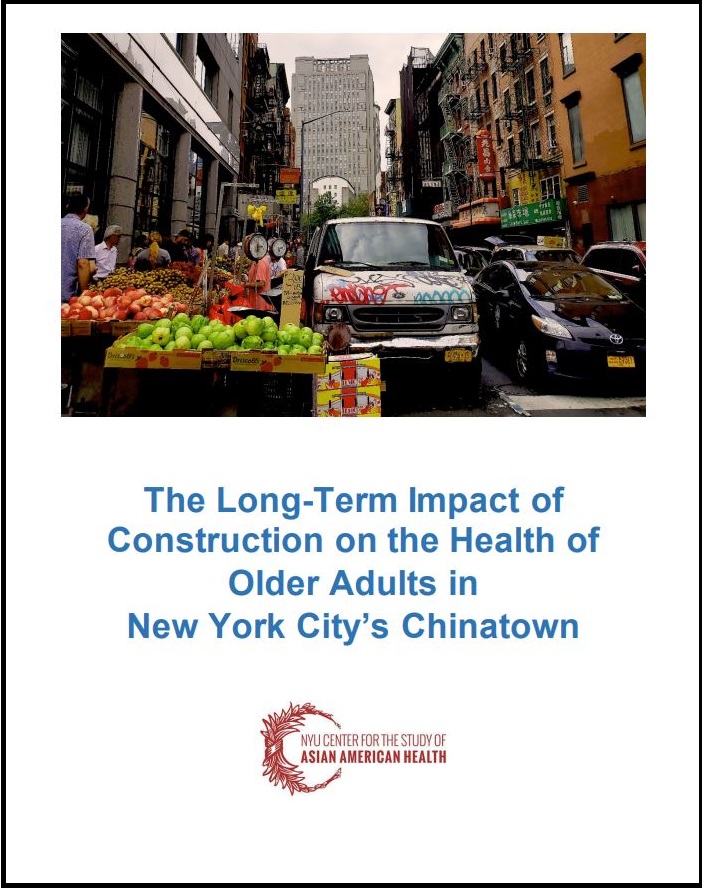
- The Long-Term Impact of Construction on the Health of Older Adults in New York City’s Chinatown
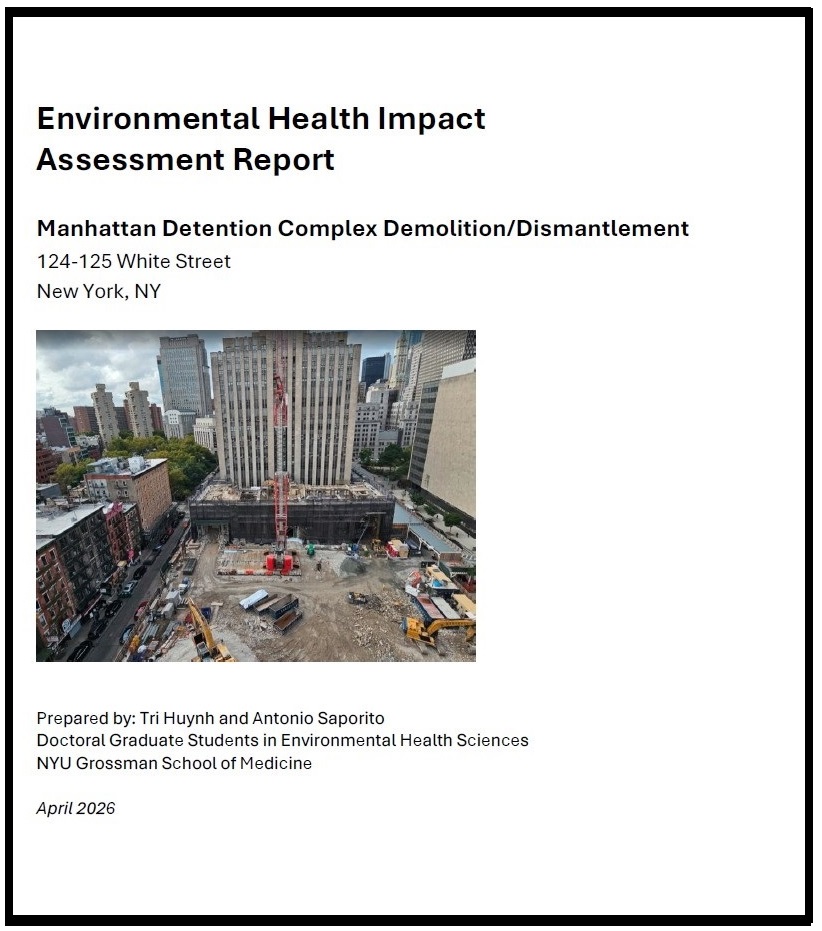
 **NEW** Chinatown Environmental Health Impact Assessment Report
COVID-19 Resources for South Asian Americans (SAALT)
COVID-19 resources tailored for South Asian Americans organized by South Asian Americans Leading Together (SAALT).